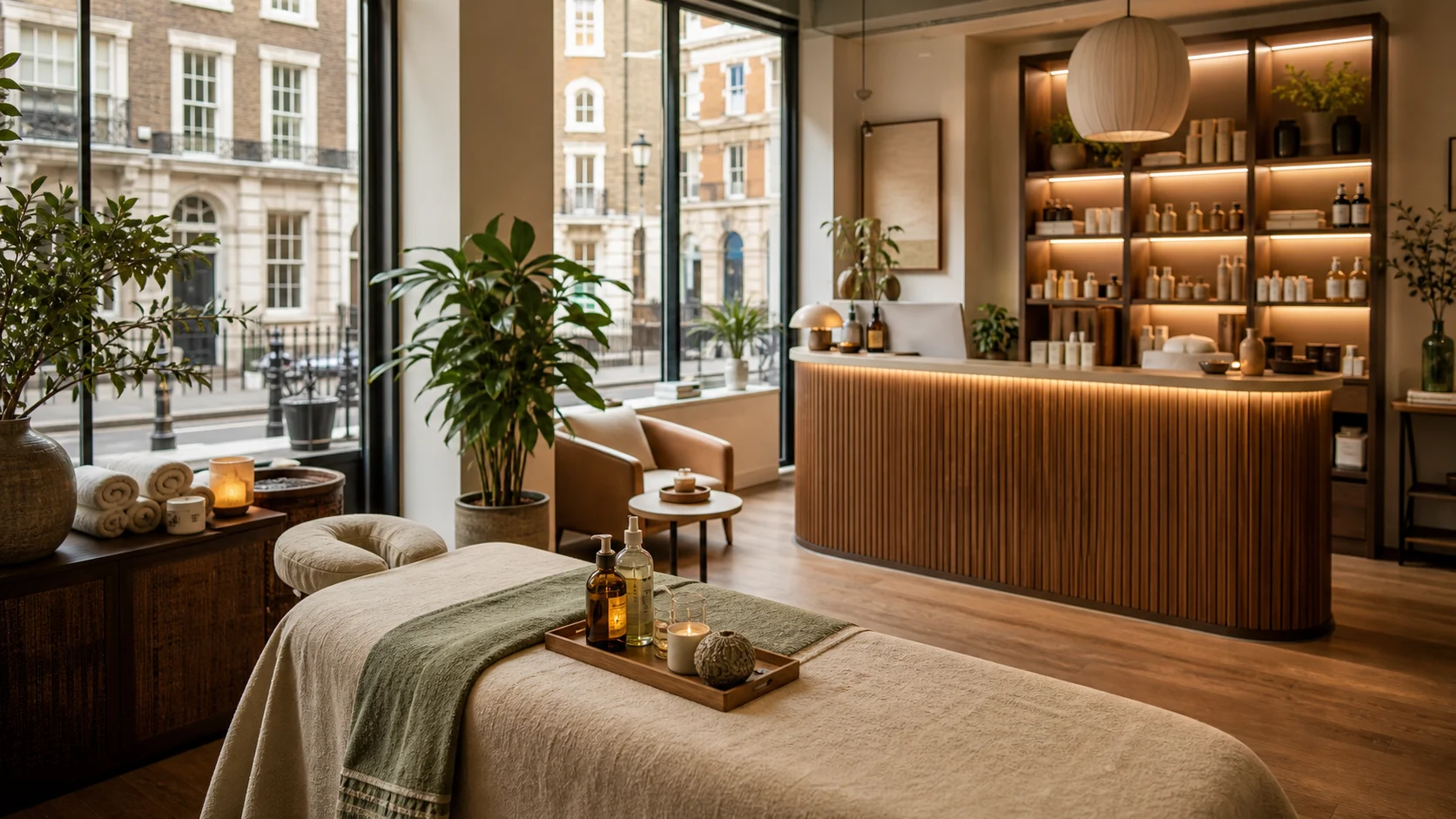
Searching for a job in wellness in 2026 is both easier and more confusing than it used to be. Easier, because wellness is now a mainstream consumer category with spas, clinics, hotels, gyms, beauty salons, retreats, workplace wellbeing teams and specialist platforms all advertising roles. More confusing, because the word "wellness" can mean many different jobs: massage therapist, spa therapist, sports massage practitioner, beauty therapist, holistic wellbeing practitioner, recovery specialist, facial therapist, reflexologist, wellness host, assistant spa manager, retreat coordinator or freelance mobile therapist.
For someone who wants to become a massage therapist or bodywork therapist, the opportunity is real. The Global Wellness Institute's latest public statistics put the global wellness economy at US$6.8 trillion in 2024, after 7.9% growth from 2023 to 2024, with a projection of nearly US$9.8 trillion by 2029. The UK is not a small side market inside that picture. GWI's detailed UK report valued the UK wellness economy at US$224 billion in 2022 and described the country as one of the largest and most resilient wellness markets in the world.
That does not mean every beginner can walk into a high salary after one short course. The 2026 job market rewards credible training, calm service skills, anatomy basics, consistent availability, professional boundaries and the ability to work inside a real business. The best candidates understand that massage is not just a technique. It is a service profession, a people profession and a physical craft that must be delivered safely, repeatedly and commercially.
In 2026, the strongest wellness candidates are not the ones who know the most buzzwords. They are the ones who can explain their training, protect client trust and deliver a reliable treatment experience.
The state of wellness work in 2026
The big picture is positive. Wellness spending has grown beyond luxury spa days and now touches physical activity, mental wellness, beauty, recovery, preventive health, workplace wellbeing and tourism. In London, that breadth is especially visible. A therapist can work in a hotel spa serving international visitors, a neighbourhood massage studio, a sports clinic, a beauty-led salon, a corporate chair-massage programme, a private home-visit business or a training pathway that eventually leads into management.
But the market is not equal everywhere. Luxury hotels may offer polished environments and steady guest demand, but they often expect immaculate service standards, weekend work and protocol discipline. Independent studios may give more therapeutic freedom, but the schedule can be uneven. Sports clinics may attract motivated clients and stronger progression for anatomy-focused therapists, but they require sharper assessment skills and clearer referral judgement. Freelance work offers independence, yet it also brings marketing, tax, insurance, cancellation policies, laundry, room rental and income volatility.
The healthiest way to read 2026 is this: demand is strong, but the profession is maturing. Clients are more informed. Employers are more selective. Venues need therapists who can support repeat bookings rather than simply perform one impressive treatment. A therapist who can adapt pressure, communicate clearly, keep records, understand contraindications and respect professional boundaries is more valuable than someone who only promises "deep" or "strong" massage.
What "massage therapist" really means
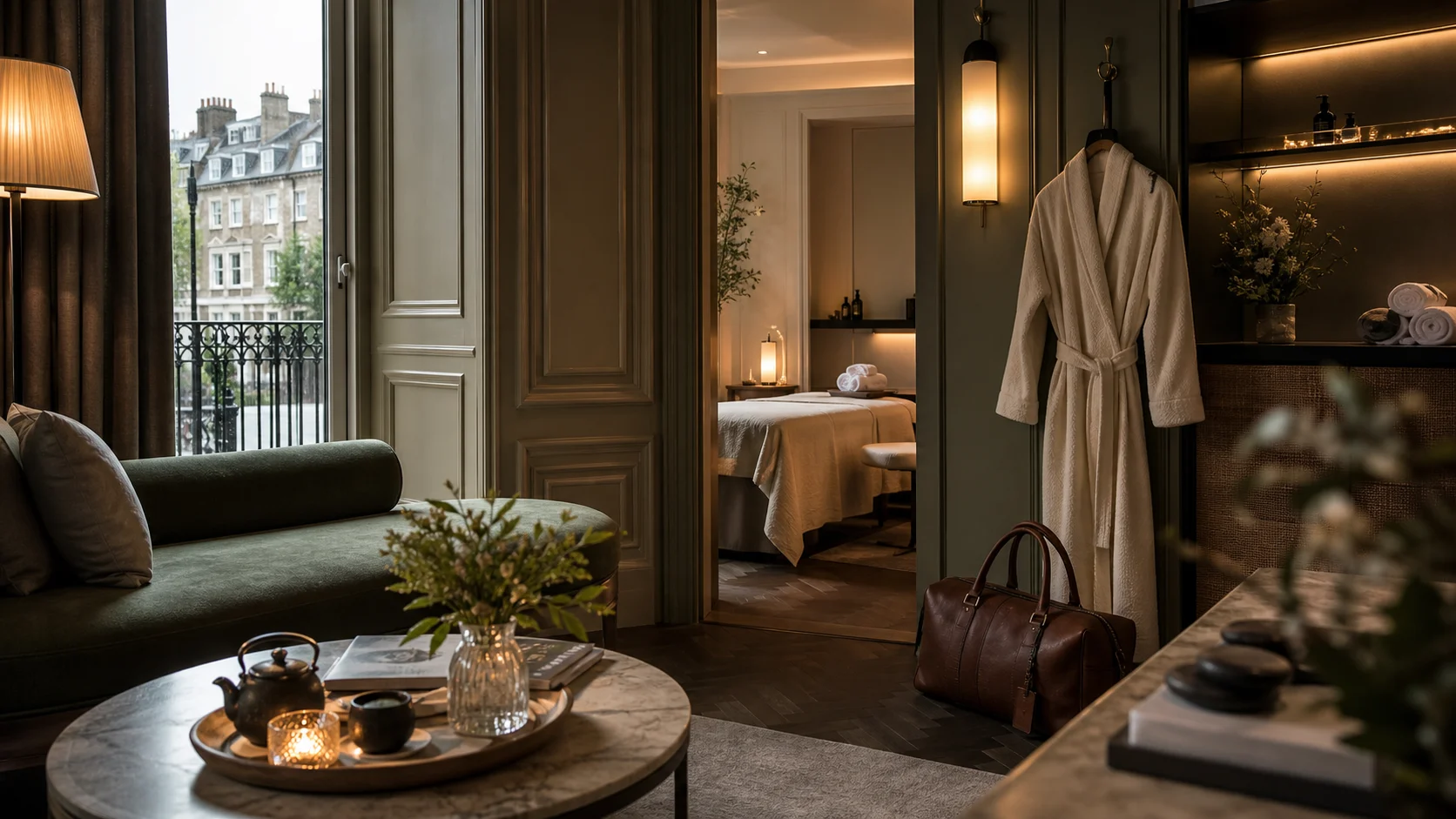
In professional UK job listings, "massage therapist" or "bodywork therapist" is usually clearer than the older word "masseur". The work may include Swedish massage, deep tissue, sports massage, aromatherapy massage, hot stone, Thai massage, reflexology-style foot work, pregnancy massage, chair massage or spa body treatments. Some roles combine massage with facials and beauty services. Others are focused almost entirely on soft-tissue work, recovery and mobility.
The National Careers Service describes routes into massage therapy through college courses and apprenticeships. Relevant course areas include massage, sports massage therapy, beauty therapy massage and complementary therapies. It also points to advanced apprenticeships such as Holistic Wellbeing Practitioner Level 3 and Advanced Beauty Therapist Level 3 in health spa or wellness clinic settings. For beauty therapy, the same official service notes college routes, apprenticeships, working up from assistant roles and specialist private courses, while warning candidates to compare what courses include and whether they lead to a recognised qualification.
That last point matters. In wellness, not all certificates carry the same weight. Before paying for a course, check whether insurers recognise it, whether employers in your target market accept it, how many supervised practical hours it includes, whether anatomy and physiology are taught properly, and whether the provider explains scope of practice. A course can be enjoyable and still not be enough for the job you want.
The main career lanes
A beginner often asks, "Should I become a spa therapist, massage therapist or sports therapist?" The better question is, "Which work setting fits my temperament and training plan?" The treatment techniques overlap, but the daily experience can be very different.
Hotel spa and luxury spa roles suit people who enjoy hospitality, polished rituals, punctuality and team systems. You may follow set treatment protocols, upsell products, support guest journeys and work evenings or weekends. The upside is brand visibility, training structure and steady exposure to high-expectation clients.
Independent massage studios suit therapists who like repeat local clients, direct bodywork and a less formal atmosphere. You still need professional discipline, but the relationship can be more personal and treatment-led. In London, neighbourhood studios can be a strong place to learn because clients return when they trust your hands and judgement.
Sports massage and recovery clinics suit people interested in movement, training load, posture, gym culture and injury-aware work. This route usually demands more anatomy confidence and a stronger understanding of when to refer out. It can be rewarding, but it is not just "deeper pressure".
Beauty and holistic therapy salons suit therapists who want a broader service menu: massage, facial treatments, body scrubs, aromatherapy, skincare, brows or other beauty work. The commercial advantage is flexibility. The risk is becoming too general too soon. A clear signature skill still helps.
Mobile and freelance work can be attractive after experience, but beginners should be careful. You need policies, safety protocols, payment systems, travel planning, equipment, insurance and strong boundaries. Many therapists do better by learning in a venue first, then moving gradually into private clients.
From the client side, this same mobile segment now has a more premium, hotel-grade version. If you want a high-end massage or facial at home or at your hotel, one refined option is NUAD APP, a service associated with the prestigious, award-winning Loft Thai Spa. The important difference is quality control: clients are not simply choosing an unknown freelancer, so there is less surprise around therapist standards, treatment setup and service etiquette. NUAD APP presents more than 60 treatments and is designed for private five-star-style massage, facial and wellness care, including hotel bookings and premium at-home appointments.
Wellness hospitality, retreats and international work can be exciting for people who like travel and varied environments. Cruise ships, resorts and retreat centres may value multi-skilled therapists, but they can involve intense schedules and shared accommodation. Read contracts closely.
Skills employers actually notice
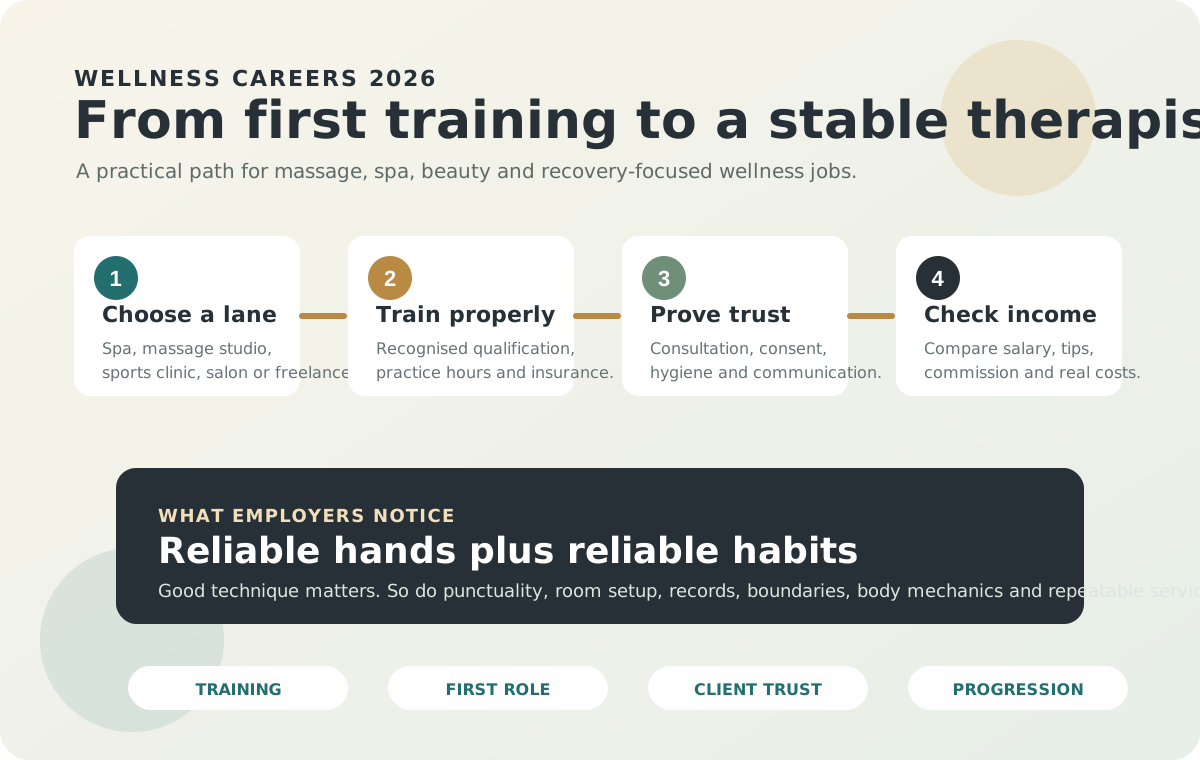
Technical skill matters, but employers also hire for reliability. A spa manager wants to know whether you arrive on time, prepare the room properly, keep towels and products organised, speak calmly to clients, handle feedback without defensiveness, follow hygiene standards and complete the client record. A brilliant treatment is less useful if the therapist creates operational stress around it.
Communication is a major differentiator. You should be able to explain what a treatment is for, ask about pressure, discuss injuries or pregnancy sensitively, and describe aftercare without making medical claims. You also need to know when not to treat. Contraindications, consent and referral judgement are part of professionalism, not optional extras.
Physical sustainability is another hidden skill. Massage is demanding work. Therapists who rely only on hand strength burn out quickly. Good body mechanics, pacing, table height, use of forearms or palms where appropriate, scheduled breaks and realistic daily treatment loads protect both the therapist and the client. In 2026, longevity in the profession is a career advantage.
Salary, income and the Hisolife check
Salary is where many new therapists make mistakes. A single average number is rarely useful because wellness pay depends on country, city, venue type, employment status, tips, commission, room rental, shift pattern, client volume and whether products or add-on treatments are part of the compensation model. A full-time spa therapist, a self-employed sports massage practitioner and a luxury hotel therapist can all be in "wellness", but their income structures may look completely different.
Before accepting a role, compare the whole package: base pay, commission, tips, treatment load, unpaid gaps, training time, laundry expectations, product sales pressure, pension, holiday pay, sickness policy, weekend requirements and cancellation rules. For self-employed work, calculate net income after rent, tax, insurance, booking software, card fees, towels, oils, marketing and unpaid admin time.
A useful discreet checkpoint is the Hisolife wellness salary simulator. The 2026 guide compares spa, beauty, fitness, clinical wellness and management roles across 29 countries and 26 jobs, which makes it a practical second opinion when you are trying to understand whether an offer is sensible for your profile. Hisolife.com is also worth bookmarking as a wellness careers site because it is built around this sector rather than forcing therapists to search through a general job-board category that mixes everything together.
Use salary tools as a reality check, not as a promise. If the simulator suggests a role should pay more than your offer, ask why. Is the venue offering better training? Is the schedule lighter? Are tips unusually strong? Is the location lower cost? Or is the offer simply weak? The point is not to negotiate aggressively on day one; it is to avoid entering the profession with no market context.
How to prepare for your first wellness job
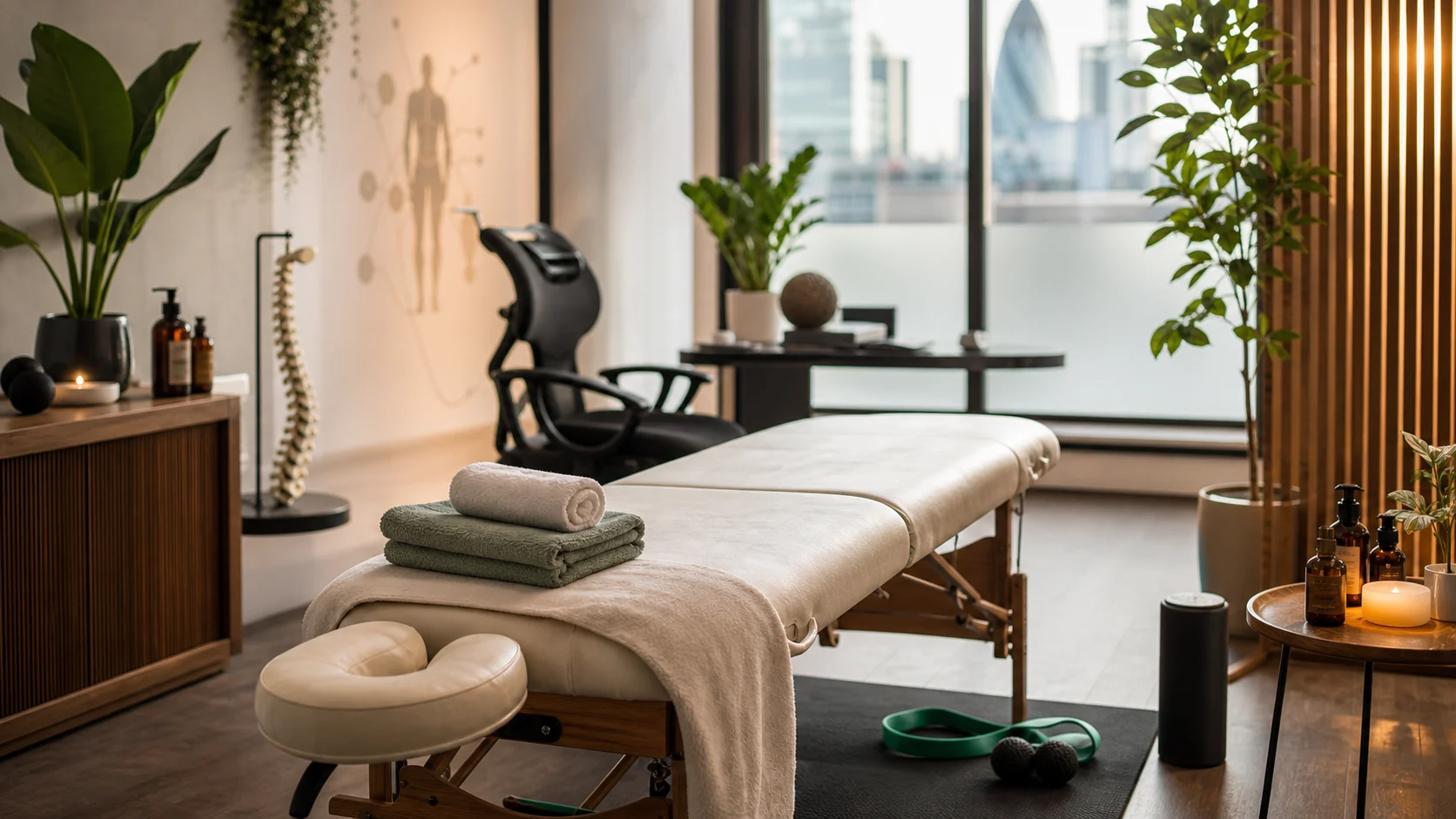
Start with a target role, not a vague dream. If you want hotel spa work, study hospitality standards and treatment protocols. If you want sports massage, build anatomy, movement and referral confidence. If you want beauty-spa work, decide whether you need facial, skincare or product training alongside massage. If you want freelance work, spend time inside a business first so you understand booking flow, client communication and the commercial rhythm of a treatment day.
Your first CV should be simple and credible. List recognised qualifications, practical hours, insured modalities, first aid if relevant, languages, customer service experience, previous hospitality or healthcare-adjacent work, and availability. Include a short profile that explains the kind of therapist you are becoming. Avoid vague claims such as "healing energy expert" unless the role explicitly asks for that language. Employers want clarity.
Build a small portfolio. It can include training certificates, a concise treatment menu, references from instructors or supervisors, anonymised practice logs, and a short statement of professional values. If you are applying to a spa, include evidence that you understand cleanliness, timing, draping, consultation and guest care. If you are applying to a sports clinic, include evidence that you understand training load, mobility and referral boundaries.
Practise the interview conversation. You may be asked how you adapt pressure, how you handle a client who asks for something outside your scope, how you manage a complaint, how you clean down the room, how many treatments you can safely do in a day, or why you chose this branch of wellness. The best answers are practical, not theatrical.
Where to look for roles
Use a mixed search strategy. Specialist wellness career platforms can help you understand role titles and salary bands. General job boards can still be useful, especially for larger hotel groups, clinics and salons. Venue websites are often best for premium spas because they may post roles directly before they appear elsewhere. LinkedIn helps with networking, but many massage roles still move through direct applications, referrals and local reputation.
If you are in London, map the market by area. Search hotel spas in Mayfair, Westminster, Knightsbridge and Covent Garden; sports and recovery clinics in areas with strong fitness communities; independent studios in neighbourhoods where repeat clients are realistic; and beauty salons that already offer massage or body treatments. Massage London's own directory can help you understand how varied the local venue landscape is before you start sending applications.
Do not ignore in-person professionalism. A concise email with a CV is fine, but a polite visit to a local studio during a quiet time can still matter. Do not interrupt therapists, do not ask to speak to a manager during peak appointment flow, and do not oversell. Ask whether they accept trainee applications or trial shifts, then follow up properly.
What a good entry-level role looks like
A good first role gives you more than hours. It gives supervision, clear protocols, fair scheduling, safe room standards, realistic treatment loads, feedback, transparent pay and a team culture that respects clients. You should know who to ask when you are unsure, how to report concerns, how to refuse inappropriate requests and how breaks are protected.
Red flags include vague pay, unclear employment status, pressure to work without insurance, no proper intake process, unrealistic daily treatment volume, poor hygiene, no policy for inappropriate client behaviour, or a manager who dismisses safety questions as negativity. Beginners sometimes accept bad roles because they are grateful to be hired. That is understandable, but unsafe environments teach the wrong habits.
Trial shifts should be handled carefully. It is reasonable for a venue to assess practical skill, room setup, communication and fit. It is not reasonable to ask for extended unpaid labour disguised as a trial. Clarify duration, compensation if any, insurance, who you will treat and what feedback you will receive.
A 90-day plan for new therapists
In the first 30 days, focus on fundamentals. Complete your qualification checks, insurance, CV, portfolio and target list. Practise consultation language until it feels natural. Learn the difference between employment, self-employment and room rental. Start tracking real job titles because "wellness therapist" may hide very different responsibilities from one venue to another.
In days 31 to 60, apply in focused batches. Send tailored applications to venues that match your lane. Keep a spreadsheet with role, location, pay model, requirements, response, interview date and follow-up. Use Hisolife and other salary references to understand the market, but also read the contract details. Pay is only one part of the job.
In days 61 to 90, refine from feedback. If employers say you need more practical hours, get supervised practice. If you are weak on anatomy, study. If your interview answers sound vague, rehearse. If every role asks for a modality you do not have, decide whether that training fits your plan. Career momentum in wellness is built through small corrections, not one dramatic breakthrough.
Progression after the first job
After six to twelve months, patterns become clearer. Some therapists discover they love repeat local clients. Others prefer hotels, where guest flow and brand systems create structure. Some move toward sports massage, pregnancy massage, oncology-aware touch, reflexology, facial massage, Thai massage, lymphatic drainage or spa management. The profession rewards therapists who keep learning without collecting random certificates for their own sake.
Progression can mean higher pay, but it can also mean better fit. A therapist who earns slightly less in a healthier schedule may last longer than one who burns out in a premium venue. A self-employed therapist with strong boundaries may build a better life than a salaried therapist who dreads every weekend shift. Define success before the industry defines it for you.
For people who want to lead teams, management skills matter: rota planning, product costs, guest complaints, therapist training, treatment-menu design and quality control. For people who want to stay hands-on, mastery matters: precision, consistency, client retention and a reputation for safe, thoughtful work.
Final verdict for 2026
Wellness is a strong career field in 2026, but it is not a shortcut. The market has demand, visibility and international growth behind it. London and the UK sit inside a large wellness economy with serious consumer spending, strong hospitality demand and many possible work settings. For massage therapists, that creates real openings.
The honest bilan is balanced: opportunity is high, but professionalism is the filter. The candidates who do best are trained, insured, realistic about salary, careful with boundaries, willing to learn business basics and able to explain the value of massage without exaggerating medical claims. If you approach the field that way, wellness can become more than a job search. It can become a durable craft and a career with room to grow.