Looking for reflexology London can feel simple until the options start to blur together. London has hotel spas, independent massage studios, sports therapy clinics, Thai massage rooms, mobile therapists and beauty salons that all use similar language. The useful choice is not always the most expensive one, the nearest one or the one with the loudest social feed. It is the room that matches your body, your goal and the kind of care you want on that particular day.
This guide is written for people curious about foot pressure treatments and nervous-system calm. It focuses on understanding the experience without overstating medical claims. The aim is practical rather than mystical: understand the language, compare the options and book with enough confidence that you can relax once you arrive.
The London market is unusually broad because the city serves commuters, residents, tourists, athletes, office workers and hotel guests at the same time. A treatment room in Camden, Covent Garden, Ealing and Dulwich may be solving a very different problem from a clinic near a running route or a day spa beside a five-star hotel. That variety is good, but only if you know how to read it.
The right London massage is not just a treatment style. It is the match between your goal, the room, and the therapist's judgement.
Start with the outcome
Before comparing venues, write down the outcome you want in plain language. Some people want less shoulder tension after a week of laptop work. Others want a quiet room where they can stop thinking for an hour. Someone training for a race may want assessment, range of motion and recovery advice. These are not the same appointment, even when the menu uses the same word.
If you are unsure, choose a studio that asks questions before the treatment starts. A proper consultation does not need to be formal or medical, but it should cover pressure preference, injuries, pregnancy, medication that affects bruising or sensitivity, and any areas you do not want touched. The best London therapists translate that conversation into a treatment plan instead of running through a memorised routine.
A useful directory should help you make that match quickly. That is why Massage London stores treatment type, area, price band, website availability and source quality for each listing. It is a practical comparison tool, not a promise that one room is right for everyone.
How London venues differ
Hotel spas tend to offer the most polished arrival experience. Expect changing rooms, thermal facilities, robes, longer rituals and higher prices. Independent studios usually put more of the value into the therapist and the room itself. Sports clinics may feel more direct and less ceremonial, but they can be ideal when you need targeted work around training or desk posture.
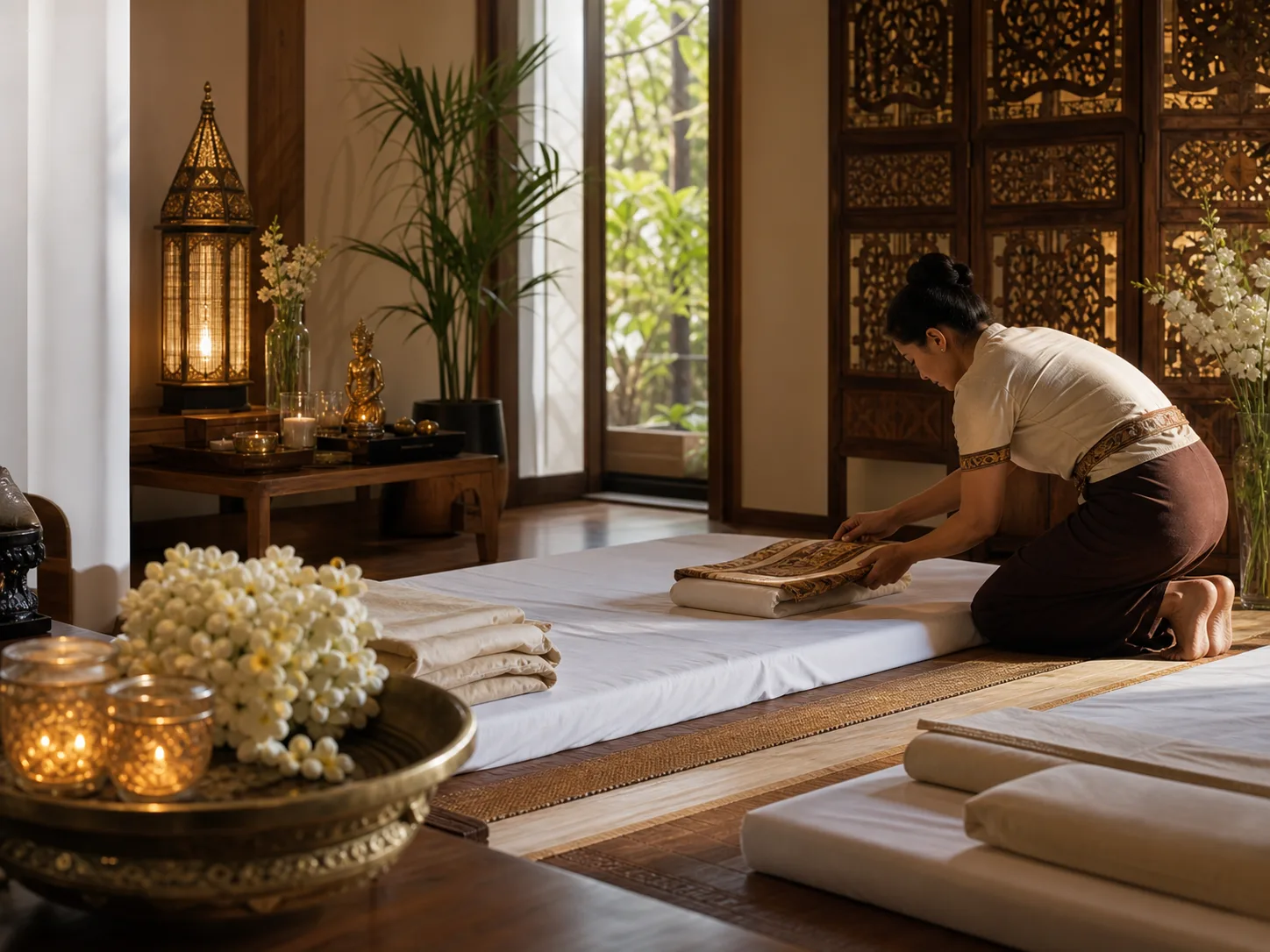
Thai massage rooms vary widely. Some focus on traditional floor-based stretching and compression; others adapt Thai techniques to an oil massage table. Reflexology rooms may specialise in feet and lower-leg work, while beauty spas often combine massage with facials, body scrubs and aromatherapy. None of these is automatically better. The right choice depends on the outcome.
Location also changes the appointment. Central London venues often serve people booking between meetings, hotel stays or theatre plans. Neighbourhood studios may be better for a monthly routine because travel friction is lower. If you want consistency, a slightly less glamorous room near home can beat a famous spa you only visit once.
Reading price and value
Massage prices in London reflect rent, therapist experience, facilities, treatment length and brand positioning. A lower price does not necessarily mean poor care, and a high price does not guarantee skilled hands. The fairest comparison is price per minute plus what is included: consultation time, shower access, thermal facilities, aftercare advice, specialist training and whether the appointment feels rushed.
For budget or mid-range studios, look for clear duration choices and a simple treatment menu. For premium spas, check whether the facilities are included before or after the treatment and whether there is a time limit. A 60-minute massage in a beautiful hotel can feel expensive if you are hurried out immediately, while a 90-minute session in a quieter studio can feel generous.
Gift bookings need extra care. If you are buying for someone else, choose a venue with flexible rescheduling, a clear cancellation policy and a treatment style that does not assume they love very firm pressure. A calm Swedish or aromatherapy massage is often safer as a gift than an intense deep tissue session.
Questions to ask before booking
Ask what the therapist specialises in, especially if you have a specific issue. The answer does not need to be full of anatomy terms. You simply want to hear that the person understands the difference between relaxation massage, deep tissue, sports recovery, pregnancy support and clinical bodywork.
Ask about pressure communication. Good therapists welcome feedback because pressure is not a test of toughness. You should be able to ask for more, less, slower or no work on a specific area without feeling awkward. Consent is part of quality.
Ask what to wear and when to arrive. In oil massage you usually undress to your comfort level and stay covered by towels. In Thai massage you may remain clothed or be given loose garments. For spas, arrive early enough to use facilities without stealing minutes from the treatment itself.
Red flags and green flags
A red flag is vague pricing, no address, no therapist information, rushed intake, pressure that ignores feedback or a website that makes medical promises no massage can honestly guarantee. Massage can help many people feel better, but it should not be marketed as a cure for serious health conditions.
Green flags include clear treatment descriptions, realistic language, transparent booking policies, clean rooms, professional boundaries and a therapist who adapts. If the venue explains who the treatment is for and who should avoid it, that is usually a sign of maturity rather than caution for its own sake.
Reviews can help, but they are not enough. Many review platforms reward popularity and recency more than skill. A directory score should be treated as one signal among several, which is why this site avoids pretending that an internally generated score is the same thing as a customer review average.
Aftercare and rhythm
After a massage, give your body a little room to respond. Drink water if you are thirsty, avoid scheduling intense training immediately after deep work and notice how you sleep that night. Mild tenderness can happen after firm pressure, but sharp pain, numbness or worsening symptoms should not be ignored.
The best booking rhythm depends on the reason you are going. For general stress, a monthly appointment can be enough. For training cycles or persistent desk tension, a short series of sessions may make more sense, followed by maintenance. For pregnancy or medical conditions, ask a qualified health professional if you are unsure.
London makes it easy to treat massage as an emergency purchase when everything already hurts. The smarter pattern is earlier and calmer: book before the shoulder becomes a problem, before the race week panic or before the holiday has been spent recovering from work.
Booking checklist
- Choose the treatment by outcome, not only by the menu name.
- Confirm duration, price, cancellation rules and arrival time.
- Tell the therapist about injuries, pregnancy, medication sensitivity or pressure limits.
- Use the official venue website when available, especially for prices and live availability.
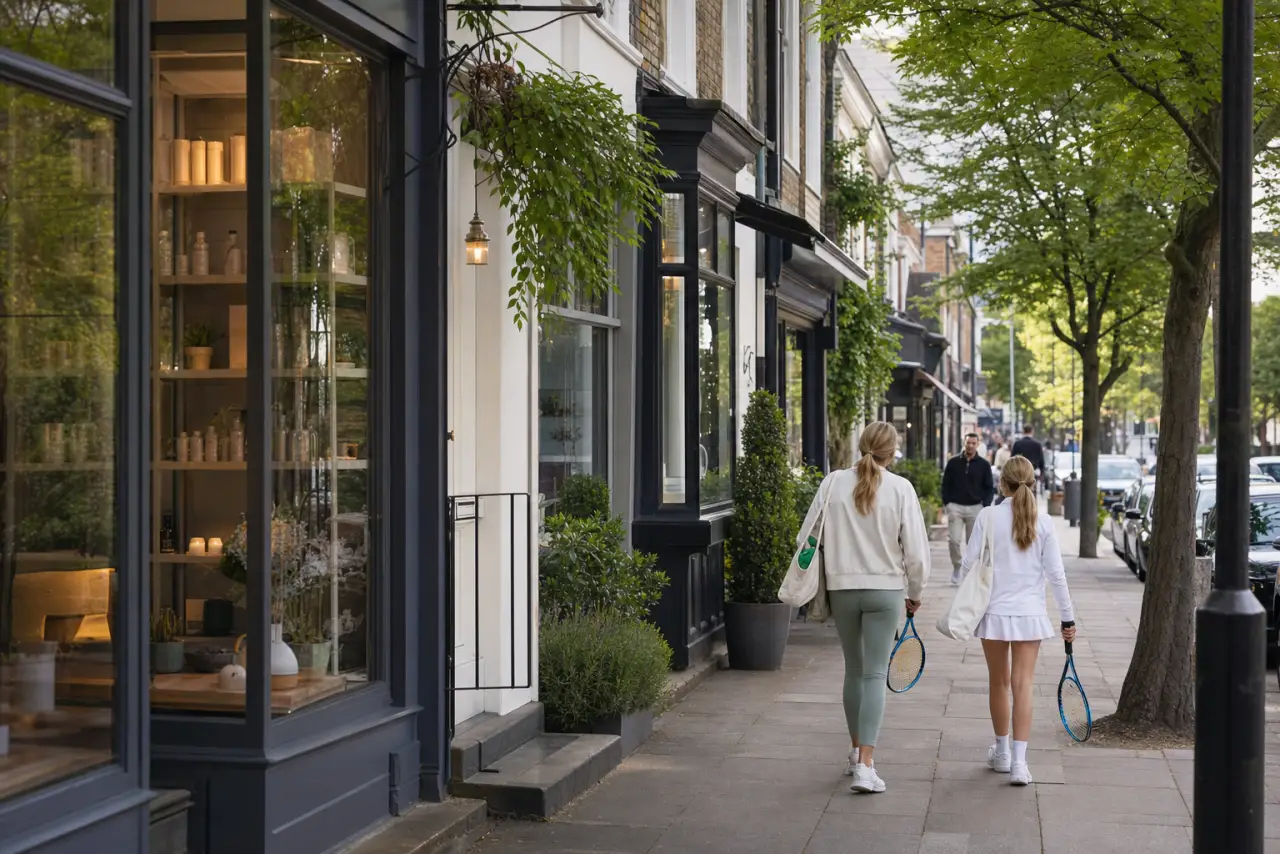
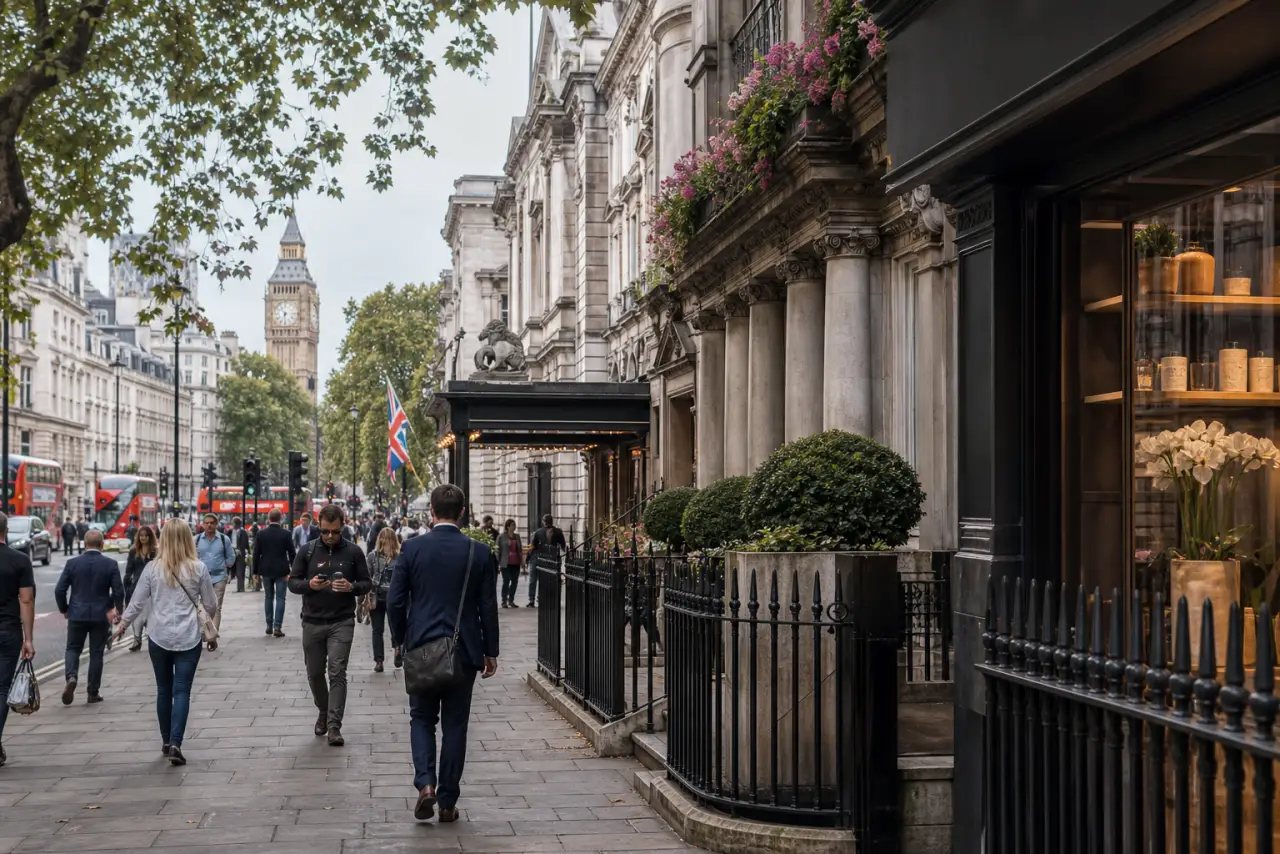
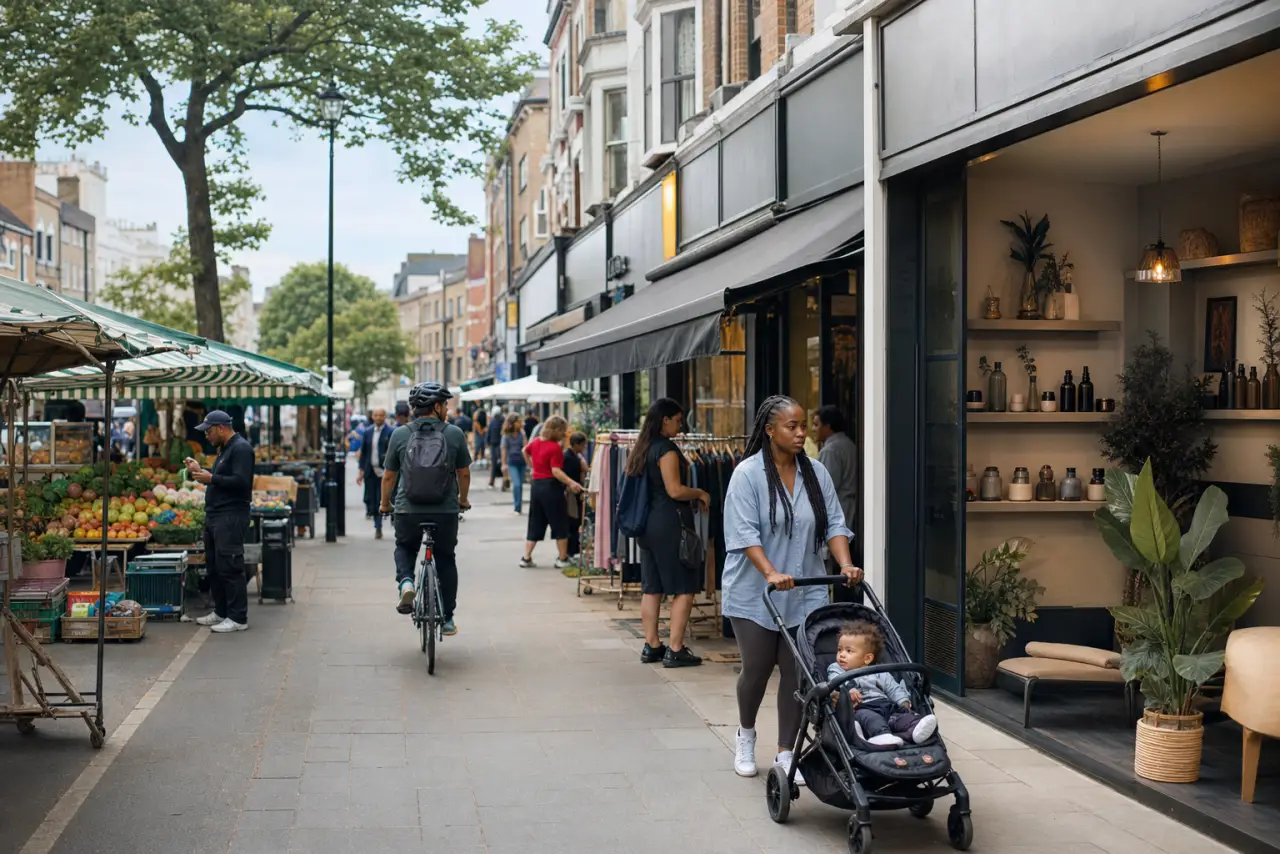
- Treat generated editorial images as atmosphere, not proof of a specific venue interior.
Use the Massage London directory to compare reflexology London options by area, treatment type and source quality, then confirm the final practical details directly with the venue before you travel.